Railway Journey Guide
Arvind Singh
| 09-07-2026
 · Lifestyle Team
A railway is more than steel tracks and passing stations.
For Lykkers, it can become a guide to slower travel, better planning, sharper observation, and calmer living.
Whether you ride trains often or simply love the idea of watching landscapes move past a window, railway life offers practical little lessons: arrive prepared, travel lighter, notice more, and let the journey matter as much as the destination.
Ride The Rails
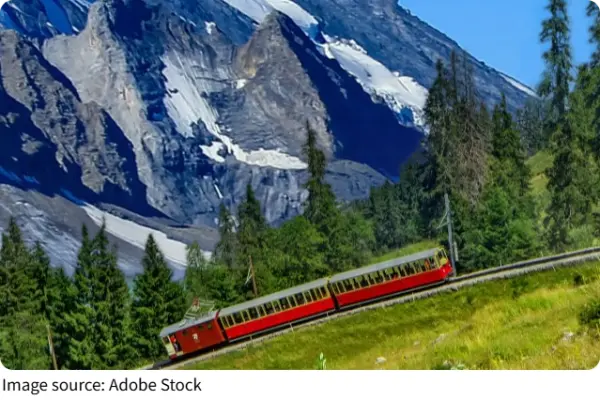
Railway travel has a special rhythm. You board, settle in, hear the soft movement begin, and suddenly the world outside starts sliding past like a living picture. This part helps you enjoy railway journeys with more comfort, curiosity, and fewer tiny disasters.
Pack like a smart traveler
Transform your compact home with smart organization tricks that make every inch work harder and look better.
Time management and anxiety relief strategies for a calmer work-from-home life
Creating calm, comfort, and emotional wellbeing through intentional home fragrance rituals
Transform empty corners into calming green spaces using simple DIY plant ideas
Transform your space using color and soft furnishings. Simple tricks that make a big difference and keep your budget happy.
Transform your tiny outdoor space into a fragrant paradise. These tricks work even if your balcony is the size of a bath mat.
Train travel feels better when your bag behaves. Choose one main bag and one small easy-reach pouch. Keep tickets, ID, phone, charger, tissues, water, snacks, and earphones close. Do not bury important items under clothes, books, and mysterious objects you packed because maybe.
A light bag makes station movement easier. Stairs, platforms, queues, and narrow aisles all become less annoying when you are not dragging half your closet behind you.
A useful rule: if you cannot lift your bag comfortably, remove something. Railway travel rewards mobility. The easier you move, the more relaxed you feel.
Choose your seat with purpose
A window seat is ideal for daydreamers, photographers, and anyone who enjoys watching towns, fields, bridges, and clouds pass by. An aisle seat is better if you like easy movement or need frequent breaks.
If you are traveling with friends, choose facing seats when available. If you want quiet, avoid areas near doors when possible, because people moving in and out can interrupt your calm.
Place your bag where it is secure and does not block others. A considerate seat setup makes the whole ride smoother.
Make the window useful
The train window is not just scenery. It can become a mindfulness tool. Try noticing five changing things: roof colors, tree shapes, river bends, station signs, and sky texture.
You can also play a small observation game. Count tunnels, spot the brightest building, track how the landscape changes, or notice what people carry at each station. This keeps the ride lively without needing constant phone scrolling.
For photos, clean the glass area gently with a cloth if needed, then shoot at an angle to reduce reflection. The best railway photos often include motion, not perfection.
Prepare for delays calmly
Railways are romantic, but schedules can still misbehave. Bring a small delay kit: water, snack, power bank, offline entertainment, and a flexible attitude.
Download maps, tickets, hotel details, and contact information before departure. Internet access may be uneven, especially in rural sections or underground areas.
If a delay happens, use the time. Read a chapter, organize photos, write a note, stretch your hands, or watch station life. Complaining may feel natural, but it rarely makes the train faster.
Railway Life Lessons
Railways are practical, but they also teach a relaxed kind of wisdom. Tracks suggest direction, stations suggest pauses, and timetables remind you that movement works best with rhythm. This part turns railway thinking into useful habits you can apply after the journey ends.
Live with a station mindset
A station is a place of pause, not failure. People wait, change routes, meet others, eat, read, think, and continue. Life works that way too. When your day becomes messy, create a station moment. Stop for five minutes. Drink water. Check what matters next. Decide whether to continue, change direction, or rest. You can name these pauses daily stations. Morning station: choose one priority.
Midday station: reset your energy. Evening station: put things back where tomorrow can find them. This makes life feel less like constant rushing and more like steady travel.
Follow one track at a time
Railways run on clear tracks. Your attention can benefit from the same idea. Instead of trying to answer messages, eat, plan, worry, and read all at once, choose one track.
Set a simple timer for twenty minutes and focus on one task. Then switch tracks intentionally. This is especially useful when your mind feels crowded.
The funny truth is that most people do not need more motivation. They need fewer open tracks. Too many directions create delay inside the brain.
Collect small journey rituals
A railway trip becomes memorable when you create rituals. Buy one simple snack at the station. Take one photo of the platform sign. Write the first sentence that comes to mind after boarding. Choose a song for departure. Save the ticket in a notebook.
These rituals turn transport into a story. Even a short commute can feel more meaningful when you add a tiny repeated detail. Lykkers can also create a weekly railway-inspired ritual without taking a train. Sit near a window for ten minutes, make tea, and watch the outside world move. Let your thoughts travel while your body rests.
Respect shared space
A railway carriage is a tiny public world. Everyone brings different moods: sleepy, excited, tired, nervous, focused, or hungry. Good travel manners make the journey better for all. Keep calls short and quiet. Use earphones. Avoid strong smells. Place luggage neatly. Offer seats when appropriate. Let people exit before boarding.
These are simple habits, but they matter. Shared spaces become kinder when people remember they are not the only main character on the train.
Turn scenery into creativity
Railways are excellent for creative thinking because the view changes without asking you to do anything. This gentle movement can loosen stuck thoughts.
Bring a notebook and write short prompts during the ride. What would this town sound like at sunrise? What color describes today? Which station name would make a good story title? What did the last field remind you of?
You do not need to write beautifully. Railway notes can be messy, funny, or strange. The goal is to let your mind wander with direction.
Plan a low-pressure train day
A train day does not need to be expensive or complicated. Choose a nearby town reachable by rail. Leave in the morning, walk around, try a café, visit a market, see a park, and return before night. Keep the plan flexible. One main activity is enough. The charm comes from movement, discovery, and a different view from the window.
Pack light, wear comfortable shoes, and bring a small notebook. At the end, write three things: best view, funniest moment, and one place to revisit. This makes local travel feel fresh. You may discover that adventure was only a few stops away.
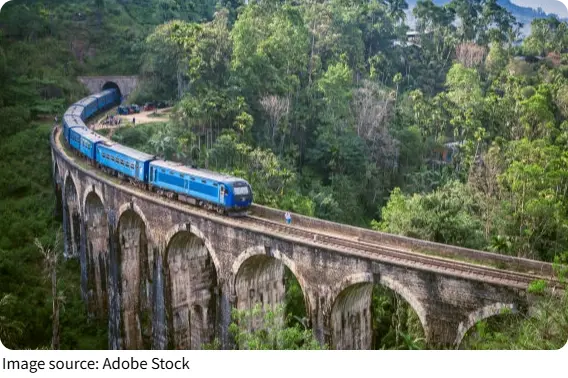
A railway can teach Lykkers how to travel lighter, wait better, notice more, and move through life with rhythm. Pack simply, respect shared space, enjoy the window, and create small rituals along the way. The tracks may lead to a destination, but the ride itself can carry meaning.