Facts of Hari Gawai Dayak

Declan Kennedy
| 01-06-2026
 · Travel Team
Friends, imagine a celebration that begins right after a long harvest season—when families finally step away from the fields, the air feels lighter, and villages come alive with music, movement, and togetherness. In the heart of Borneo, this meaningful cultural moment is known as Hari Gawai Dayak.
It is not only a festive season but also a reflection of identity, heritage, and gratitude for nature’s cycle. Below are eight rich and detailed insights that explain this celebration in a structured, vivid, and culturally respectful way.
1. Rooted in the Dayak Community of Borneo
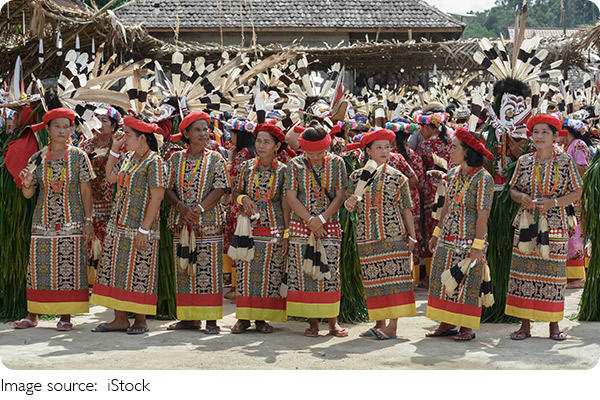
Hari Gawai Dayak is a traditional celebration observed by Dayak communities across Borneo, especially in Sarawak and parts of Kalimantan, Indonesia. It represents one of the most important cultural moments in their yearly cycle. Rather than being a single event, it is a shared cultural season where communities reconnect, welcome visitors, and strengthen social ties after months of agricultural work.
Who’s showcasing at PHILMARINE 2026?! Marine tech and automation leaders in one place!
PHILMARINE returns bigger?! Technology, systems, and solutions showcased live!
Live concerts and free weekday entry? KLIMS brings cars music and big event vibes!
What topics matter most? TENAGA EXPO shows key tech driving energy transformation!
2.2 million square feet, more than 2 million artworks, and three hours is barely scratching the surface
Les Deux Alpes delivers year-round glacier skiing, a massive vertical drop, and thrills at every altitude.
2. A Marker of the Harvest Season Completion
At its core, this celebration marks the completion of the rice harvest. Rice farming is central to daily life, so finishing the harvest becomes a moment of relief and appreciation for collective effort. Families use this time to clean their homes, prepare communal spaces, and welcome relatives returning from different villages. The atmosphere feels warm and lively, with food preparation, music practice, and storytelling filling the days leading up to the celebration.
3. A Celebration That Extends Over Time
Hari Gawai Dayak is not limited to a single day. Instead, it unfolds over an extended period, sometimes lasting for weeks across different communities. Each village may hold its own schedule of events, which allows people to travel between settlements and join multiple gatherings. This creates a flowing celebration season rather than a fixed date on the calendar.
4. The Miring Ceremony and Symbolic Arrangements
One of the most meaningful traditions is the miring ceremony. This practice involves arranging symbolic items such as food offerings, handmade objects, and natural materials in a carefully organized display. The arrangement is placed with intention, reflecting balance, respect for life cycles, and appreciation for harmony within the environment. It is a cultural practice passed down through generations, keeping ancestral knowledge alive.
5. The Ranyai Tree and Ngajat Dance
A striking feature of the celebration is the ranyai tree, often described as a symbolic “tree of life.” It is decorated with colorful elements and placed at the center of gathering spaces. Around it, people perform the ngajat dance—an expressive traditional movement characterized by controlled steps, rhythmic gestures, and storytelling through motion. This dance is often performed in groups, strengthening unity and cultural identity.
6. Kumang Gawai Competition as Cultural Expression
The Kumang Gawai Competition is a highlight event during the celebration. It showcases participants who present traditional attire, cultural knowledge, and confident stage presence. This competition is not only about appearance but also about understanding cultural values, etiquette, and storytelling ability. It encourages younger generations to stay connected with their heritage and learn from community elders.
7. Ngiling Bidai: Closing the Celebration Period
At the end of the festive season, communities perform the ngiling bidai ceremony, which symbolizes the closing of celebration activities. The phrase refers to rolling up a mat, representing a return to everyday routines. This moment carries a reflective meaning—acknowledging that celebration has its cycle, and daily life continues with renewed energy, stronger relationships, and shared memories.
8. Modern Recognition and Community Messages
In recent years, Hari Gawai Dayak has also gained wider visibility through social media and public messages. Cultural leaders and community figures, including statements shared by Nanta in video greetings, often extend warm wishes to those observing the celebration. These messages highlight togetherness, cultural continuity, and appreciation for shared traditions. They also help introduce Hari Gawai Dayak to broader audiences beyond its traditional regions.
Hari Gawai Dayak is more than a seasonal event—it is a living cultural journey that connects people, land, and memory. From the miring ceremony and the decorated ranyai tree, to the expressive ngajat dance, Kumang Gawai Competition, and the closing ngiling bidai, each part tells a story of community life and continuity.
For readers, this celebration invites reflection: how do we value moments of pause after hard work, and how do we keep cultural stories alive in a changing world? If you ever witness Hari Gawai Dayak, you will not just see a celebration—you will experience a rhythm of life shaped by tradition, togetherness, and the beauty of shared heritage.