4 Bird Myths Debunked

Santosh Jha
| 31-07-2026
 · Plant Team
Hi, Readers! Birds are surrounded by all kinds of myths, but how many of these stories are actually true?
Today, we’ll take a closer look at four common bird myths and uncover the facts behind them.
Birds Will Not Become Dependant By Being Fed
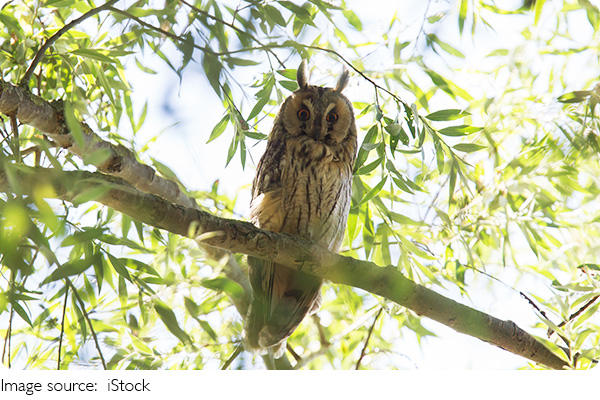
As birdwatchers, it's easy to feel guilty about feeding wild birds, fearing we may make them dependent on us. Many people believe that if we stop providing food, birds won't know how to fend for themselves. However, research has shown that bird feeders make up only a small portion of a songbird's diet.
A study from Oregon State University, published in the Journal of Avian Biology, found that even when birds' feathers were clipped to make flying difficult, they still foraged for food on their own within a few weeks. The study concluded that songbirds aren't likely to become overly reliant on feeders, and they can easily find natural food sources like berries and insects.
Learn how to protect the ground beneath your feet and keep soil alive and thriving.
Why some houseplants thrive where sunlight barely reaches
Don't Miss Out on Growing Your Own Chillies, Peppers, and Aubergines
Bold, low-maintenance, and eye-catching indoor plants to watch in 2026.
Techniques to Elevate Your Flower Arrangements.
Bring each season indoors with color, texture, and natural harmony.
So don't worry; your feeder is just a bonus for these birds, not their lifeline.
Rice Won't Make Birds Explode
We've all heard the myth: “Throwing rice at weddings will make birds explode.” But is there any truth to it? Absolutely not. The Cornell Lab of Ornithology debunked this myth years ago. Birds, from waterfowl to songbirds, often eat rice in nature without any harm.
In 2002, Professor Jim Krupa conducted experiments where pigeons and doves were fed rice, and they had no adverse reactions, proving that rice does not cause birds to explode. So, while it's best to avoid rice at weddings (it attracts rats and creates a slipping hazard), there's no reason to worry about the birds.
Red Hummingbird Food Isn't Necessary
Hummingbird food often comes in red, but it's a common misconception that the color is essential. While it's true that hummingbirds are attracted to the color red, the nectar they feed on in nature isn't red. Red flowers attract hummingbirds, not the nectar itself.
The National Audubon Society suggests that a red hummingbird feeder is sufficient to draw them in, regardless of whether the food is colored. You can even make your own hummingbird food by mixing a quarter cup of sugar with one cup of boiling water. Just remember, avoid using honey or artificial sweeteners, as they can harm the birds.
Touching a Baby Bird Won't Make Its Mother Abandon It
One of the most persistent myths about birds is that if you touch a baby bird, the mother will abandon it because of the scent left behind. This simply isn't true. The Cornell Lab of Ornithology assures us that most birds do not have a highly developed sense of smell, and they won't abandon their young over a human scent.
If you find a baby bird that seems to have fallen from its nest, it's perfectly safe to place it back. If it's a fledgling, it may just be learning to fly, so leaving it where it can rest might be the best choice. If you're unsure, it's always a good idea to call an animal expert for guidance.
Myths vs. Reality
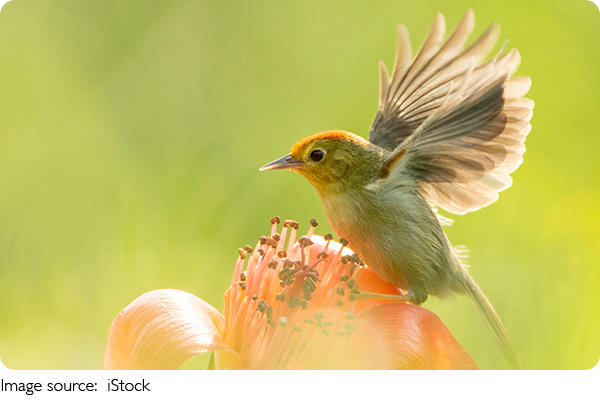
Birds are fascinating creatures, and we love to care for them. However, it's important to separate fact from fiction. Many of the fears we have about feeding birds, touching baby birds, or the impact of rice are based on myths with no scientific backing.
By understanding the truth, we can better appreciate our feathered friends and support their well-being in more effective ways. While well-meaning myths can sometimes misguide us, it's the real threats to birds, like outdoor cats, that we should focus on protecting them from.